
The pitch
The Allier has about 333,000 inhabitants (2023) over 7,340 km², with an enormous number of well-preserved villages that few people visit and that are really worth the detour. Here is our selection of 7, ranked from best known to most secret.
1. Charroux (Plus Beau Village de France)
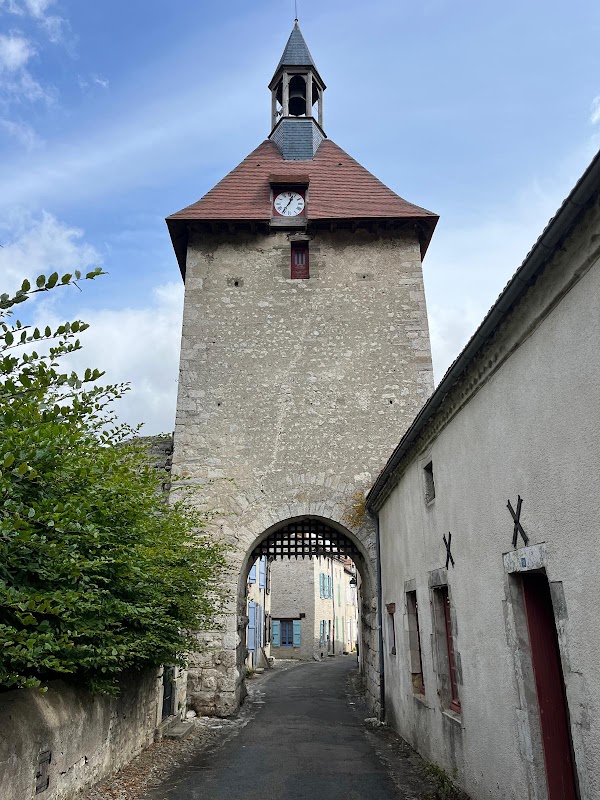
335 inhabitants (2023), and the only village in the Allier listed among Les Plus Beaux Villages de France (the Most Beautiful Villages of France). Tour de l'Horloge (the clock tower), Cour des Dames, the church of Saint-Jean-Baptiste, more than 25 craft shops (mustard, candles, soaps). 1 hour 30 is enough for the visit. A food market is held there on the 2nd and 4th Sunday of the month, from 08:00 to 12:00 on the place de l'église, until 31 December 2026.
2. Hérisson (Petite Cité de Caractère)
555 inhabitants (2023), awarded the Petite Cité de Caractère label (a heritage label for small towns). A medieval village tucked into a bend of the Aumance, beneath the pink sandstone ruins of the fortress of the dukes of Bourbon, which overlooks the town and the valley. The castle officially reopened in summer 2026.
3. Souvigny (monumental village)
≈ 1,700 inhabitants. Remarkable heritage: the priory of Saint-Pierre-et-Saint-Paul (linked to the abbey of Cluny since the 10th century, guided tour), the tombs of the dukes of Bourbon. At the museum of the Grand site clunisien (the Cluniac heritage site), the star piece is the Zodiac column, carved in the 12th century. 15 minutes from Moulins.
4. Verneuil-en-Bourbonnais
239 inhabitants (2023), in the Saint-Pourçain vineyards. A former fortified town: a town gate survives, along with remains of the walls and towers. The 12th-century church of Saint-Pierre, listed as a historic monument. North-west of Saint-Pourçain-sur-Sioule.
5. Châtel-Montagne
326 inhabitants (2023), on the foothills of the Montagne bourbonnaise. The church of Notre-Dame, built in the late 11th century for an abbey of the Order of Cluny, listed as a historic monument as early as 1840. View over the Besbre valley. East of Vichy and south of Lapalisse: you can combine it with both.
6. Cesset (winegrowing village)
430 inhabitants (2023), west of Saint-Pourçain-sur-Sioule, on the granite soils of the Saint-Pourçain vineyards (AOC, protected designation of origin, since 2009). The Domaine Grosbot-Barbara is open there Monday to Saturday, from 09:30 to 12:30 and from 14:00 to 19:00 (2026 hours, until 31 December), and offers groups a paid guided tour of the vineyard and the winery cellar.
7. Cérilly (on the edge of Tronçais)
≈ 1,300 inhabitants, in the north of the Allier on the edge of the Tronçais state forest. A country village with its church of Saint-Martin, built from the 12th to the 15th century. A good starting point if you want to hike in the Tronçais oak forest.
Route map
Here is a 2-day circuit to link the 7 villages:
Day 1 (Charroux, vineyards and Moulins):
- Morning: Charroux, then Cesset and Verneuil-en-Bourbonnais in the Saint-Pourçain vineyards (1 hour at each)
- Midday: lunch in Saint-Pourçain-sur-Sioule
- Afternoon: Souvigny (1 hour 30 there)
- Night: Moulins (Mercure Moulins Centre Hôtel de Paris, or Le Clos de Bourgogne)
Day 2 (Tronçais and the Montagne bourbonnaise):
- Morning: Hérisson + Cérilly (45 minutes to 1 hour each)
- Midday: lunch in Hérisson or Cérilly
- Afternoon: Châtel-Montagne, at the other end of the département: this is the longest link on the circuit
- Back to Vichy or Moulins late in the afternoon.
General tips
Season
April-October: everything is open, with producers' markets in season. Winter: many shops closed, restaurants limited. Better to go in summer or autumn.
Places to stay
The area is rural: go for rural gîtes (Gîtes de France) or guest rooms (chambres d'hôtes). Hotels are rare outside Moulins and Vichy.
Eating out
Lunchtime: village restaurants (Charroux, Hérisson). In the evening, Moulins and Vichy offer more choice.
Frequently asked questions
The FAQ
Can you visit by bike?
On the Val de Sioule side, yes: a greenway links Gannat to Saint-Pourçain-sur-Sioule over 27 km, largely on a former railway line, open all year with free access. Hérisson, Cérilly and Châtel-Montagne need a car.
With children?
Fine from the age of 7 or 8. At Charroux, the museum has 14 rooms (you see the village in 3D), interesting for children. Souvigny has the priory (guided tour). Hérisson has its ruined castle, which is fun.
How many days to do it properly?
At least 2 days if you want to link everything together. To really enjoy it, aim for 3 days, with a night in a village gîte.
Why not Lapalisse?
Lapalisse has a remarkable castle, but it is more of a small town (3,138 inhabitants in 2023). Not our “little-known village” angle. But worth a look if you are in the area.